Ah, summer! The days are longer, the sun is warmer, and the cravings for refreshingly sweet fruit intensify. Few fruits embody the spirit of summer quite like the watermelon. Its juicy, vibrant flesh offers instant hydration and a delightful treat, whether enjoyed straight from the fridge or as part of a more elaborate dish. Yet, for many, the sheer size and awkward shape of a whole watermelon can make the prospect of cutting it feel like a daunting kitchen challenge.
If you've ever shied away from buying a full melon due to cutting woes, you're not alone. But what if we told you that mastering how to slice a watermelon doesn't have to be a struggle? In fact, with the right techniques and a few handy tips, you can transform this magnificent fruit into perfectly portioned pieces in no time. This comprehensive guide will equip you with 10 versatile ways to slice and dice watermelon, along with crucial advice on picking the ripest melon and essential safety measures for a smooth cutting experience.
Picking the Perfect Watermelon: Your Guide to Sweet Success
The journey to delicious watermelon starts long before you pick up a knife. Selecting a ripe, juicy melon is paramount. Here’s what to look for when you're at the grocery store or farmer’s market:
- The Matte Test: Skip the shiny ones! A truly ripe watermelon will have a dull, matte appearance, not a glossy sheen. Shiny watermelons are often a sign that the fruit is overgrown or underripe.
- Inspect for Blemishes: Give the rind a thorough check for any visible bumps, holes, or deep gashes. These can indicate issues with watering, pest damage, or rough handling, which might affect the fruit’s quality inside.
- Feel the Weight: A heavy watermelon for its size is a juicy watermelon. Pick up a few melons of similar size and choose the one that feels surprisingly substantial. This density is a good indicator of high water content and sweetness.
- The Tap Test: Gently tap or knock on the rind with your knuckles. A ripe watermelon should produce a deep, hollow sound. If it sounds dull or thud-like, it might be overripe or underripe.
- Check the Field Spot: The field spot, also known as the ground spot, is the patch where the watermelon rested on the ground while ripening. For a truly ripe melon, this spot should be a creamy yellow or even orange-yellow color. A white or greenish field spot suggests the watermelon was picked too early and hasn't had enough time to sweeten.
- Rind Firmness: The rind should be firm and not give way easily under light pressure. It also shouldn't scratch easily, which can indicate thinness or immaturity.
Essential Safety and Prep Tips Before You Slice
Before you embark on your watermelon-cutting adventure, a few preparatory steps and safety considerations will ensure a smooth and safe process:
- Wash Your Melon: Even if you don't plan to eat the rind, always wash the entire watermelon thoroughly with soap and water. Bacteria from the rind's surface can easily transfer to the flesh when your knife cuts through it. A clean melon means a clean cut and safer eating.
- Sharpen Your Knives: This might sound counterintuitive, but a sharp knife is a safe knife. A dull blade requires more force, increasing the risk of it slipping and causing injury. A sharp knife glides through the rind with less effort and more control.
- Choose the Right Knife: For larger watermelons, a sturdy chef's knife or a long, serrated bread knife can be incredibly effective at cutting through the thick rind. For smaller tasks like cubing, a smaller chef's knife or utility knife might suffice.
- Stable Cutting Surface: Always use a clean, sturdy cutting board that won't slip. Placing a damp paper towel or a non-slip mat underneath your cutting board can prevent it from sliding around on your countertop.
- Proper Grip: Maintain a firm grip on both the watermelon and the knife handle. Always keep your fingers tucked away from the blade as you cut.
Master the Art of Watermelon Cutting: 10 Versatile Ways
Now for the main event! Once your watermelon is prepped and your tools are ready, it’s time to learn how to slice watermelon into various shapes. We'll start with the most efficient method for core pieces, then explore nine other creative cuts for every occasion.
The Foundation: Easy Cubes and Sticks (The Easiest Method)
This method, often hailed as the easiest and most efficient, forms the basis for many other cuts. It removes the rind first, making subsequent cuts much simpler:
- Rinse and Dry: Thoroughly wash and dry your entire watermelon.
- Slice in Half (Crosswise): Place the watermelon on its side and carefully cut it in half crosswise (through its equator, not lengthwise). You'll end up with two circular halves.
- Trim the Ends: Take one half, place it cut-side down on your cutting board, and carefully slice off a small portion from the stem end (and the blossom end if you haven't already with the crosswise cut). This creates a stable, flat base.
- Remove the Rind: Place the watermelon cut-side down on the board. Holding your knife at a slight angle, carefully slice downwards, following the curve of the melon to remove the rind in strips. Rotate the melon as you go until all the green and most of the white rind is gone. Don't worry about perfection; you can always trim small bits later.
- Cut into Planks: Once peeled, you'll have a large, cylindrical piece of red watermelon flesh. Lay it flat and slice it into 1-inch thick planks.
- Create Sticks: Stack a few planks, then cut them into 1-inch thick sticks.
- Dice into Cubes: Rotate the sticks and cut them crosswise into 1-inch cubes. Repeat with the other watermelon half.
Once you've mastered this foundation, here are 9 more ways to present your watermelon:
- Classic Triangles/Wedges: For a simple, rustic presentation, cut the melon in half lengthwise. Place each half cut-side down and slice into thick triangles or wedges directly from the rind-on half. Great for picnics!
- Half-Moon Slices: After cutting the melon in half crosswise, place each half cut-side down. Slice it into ½ to ¾-inch thick half-moon shapes with the rind still on. These are perfect for a visual display or a quick snack.
- Bite-Sized Chunks for Fruit Salad: Building on the cubed method, simply make your final cuts smaller to create ½-inch or ¾-inch chunks. Ideal for mixing with other fruits.
- Watermelon Balls/Scoops: Using a melon baller, scoop out perfect spheres of watermelon. This elegant cut is fantastic for fruit salads, garnishes, or cocktails.
- Grilling Wedges: For a unique twist, cut the watermelon into thick, rind-on wedges (about 1.5-2 inches thick). These hold up well on the grill and can be served with a sprinkle of feta and mint.
- Watermelon Skewers/Pops: Cut your watermelon into 1-inch cubes or decorative shapes (using small cookie cutters) and thread them onto skewers. Add other fruits or cheese for a colorful snack.
- Watermelon 'Fries': After removing the rind and cutting into planks (as in the foundation method), simply slice the planks into longer, thinner sticks, resembling French fries. Fun for kids!
- Juicing Chunks: If your primary goal is juicing or blending, a rough chop into 2-3 inch chunks is all you need. Don't worry about perfect shapes; just get them small enough for your blender or juicer.
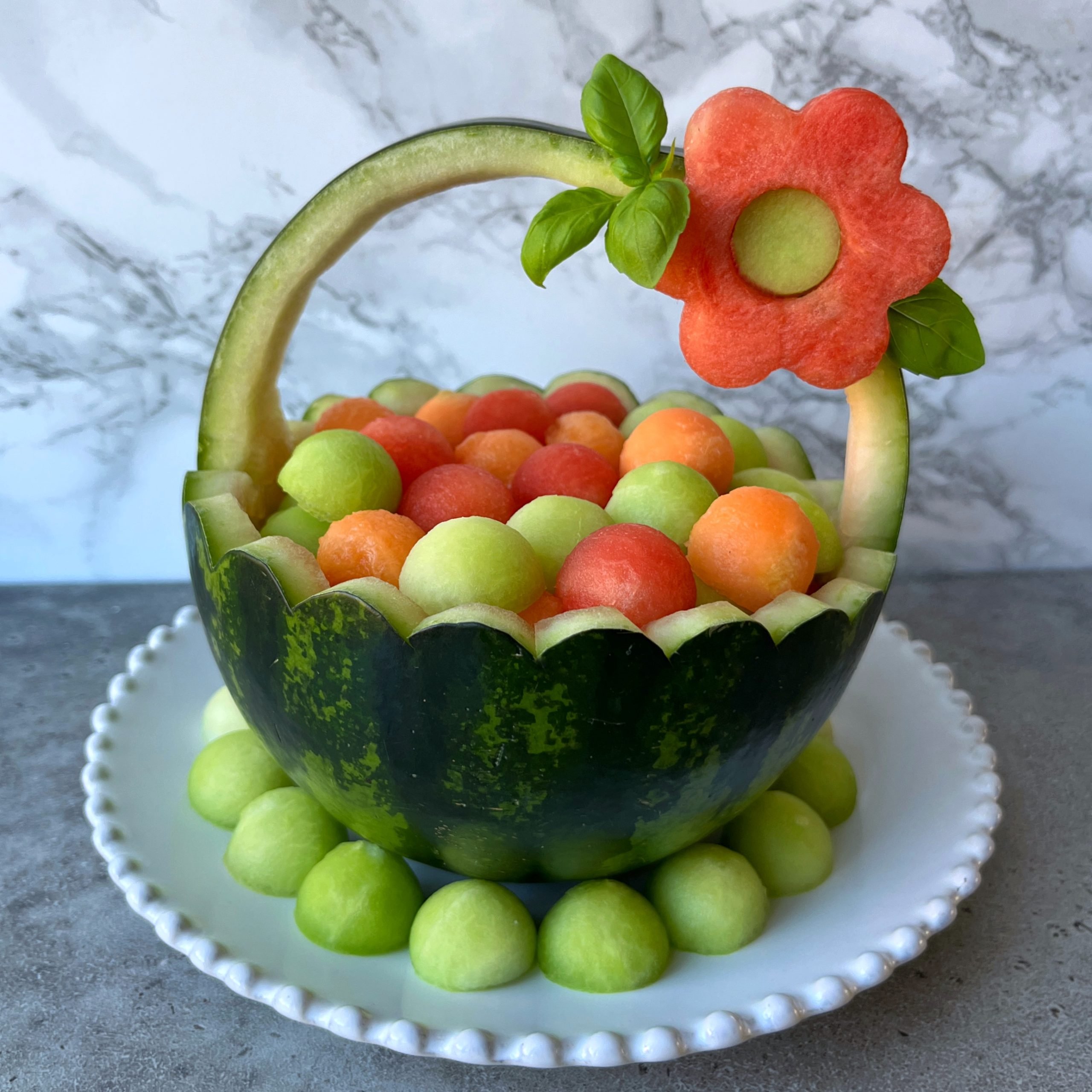
- Watermelon Basket/Boat: For an impressive serving display, cut your melon in half lengthwise. Scoop out the flesh (using a melon baller or knife to cut cubes) and leave a thick rind shell. You can then carve the rind into a basket handle or a boat shape and refill it with the scooped-out watermelon and other fruits.
Beyond the Slice: Storage, Freezing, and Culinary Uses
Once you’ve mastered how to slice watermelon, you’ll likely have plenty to enjoy. Here’s how to store it and some delicious ways to use your bounty:
- Storage: An uncut whole watermelon can be stored at room temperature for up to two weeks. Once cut, always store watermelon in an airtight container in the refrigerator. It will stay fresh for 3-5 days. Covering it tightly prevents it from absorbing odors from other foods.
- Freezing: For longer storage, watermelon freezes beautifully. Cut it into cubes or balls, spread them in a single layer on a baking sheet, and freeze until solid. Then transfer the frozen pieces to a freezer-safe ziptop bag. Frozen watermelon is perfect for smoothies, sorbets, or even refreshing watermelon margaritas!
- Culinary Versatility: While often enjoyed plain, watermelon is incredibly versatile. Beyond snacking, try it in a vibrant fruit salad, pair it with savory ingredients like feta cheese and mint for a refreshing salad, blend it into smoothies or gazpacho, or even grill thicker wedges for a smoky-sweet flavor.
Cutting a watermelon no longer needs to be a summer chore. By following these simple picking, safety, and slicing techniques, you'll be well on your way to enjoying this hydrating, delicious fruit all season long. Experiment with different cuts, discover your favorites, and make watermelon a regular, effortless part of your summer routine!
