Mastering the Art of Watermelon Selection: Your Ultimate Ripeness Guide
There are few summer pleasures quite as refreshing as biting into a perfectly ripe, juicy slice of watermelon. This naturally hydrating, vibrant fruit is a staple of backyard barbecues, beach days, and everyday healthy snacking. Yet, the sheer joy of a sweet watermelon often comes with a hint of anxiety: how do you pick a good one? And once you have it, what's the best way to slice watermelon without a struggle? Fear not! We’re here to demystify the process, from selecting the ideal melon to effortlessly cutting it into delicious, ready-to-eat pieces.
Before you even think about how to slice watermelon, the journey to a perfect bite begins at the grocery store or farmer's market. Choosing a ripe, sweet, and juicy specimen is paramount. Here’s a comprehensive guide to help you select a winner every time:
- The Matte vs. Shiny Debate: When scanning a pile of watermelons, you might be drawn to the glossy, vibrant green ones. However, a truly ripe watermelon often has a dull or matte appearance. A shiny rind can sometimes indicate an underripe melon. This subtle difference is your first visual clue to a sweeter experience.
- Heft for Its Size: This is arguably one of the most reliable indicators. Pick up a few watermelons of similar size. The one that feels significantly heavier for its dimensions is likely the juiciest. A heavy watermelon means it's packed with water, which translates to a sweeter, more refreshing taste.
- The Field Spot (or Ground Spot): This is the ultimate tell-tale sign of ripeness. Look for a large, discolored spot on one side of the watermelon. This is where the melon rested on the ground during its growth. For optimal ripeness, this spot should be a creamy yellow or golden-orange hue. A white or green field spot often indicates an underripe melon that was picked too early.
- The Knock Test: Gently tap or knock on the watermelon's rind with your knuckles. A ripe watermelon should produce a deep, hollow sound – almost like knocking on a door. If it sounds dull, muted, or too high-pitched, it might not be fully ripe or could even be overripe. Practice with a few to discern the right resonance.
- Inspect for Blemishes: While natural markings are fine, avoid watermelons with soft spots, deep cuts, or visible bruises. These can indicate internal damage or spoilage. Small "sugar spots" or webbing, often brown, rough patches, can actually be a good sign, as they suggest bees visited the flower multiple times, leading to a sweeter fruit.
Armed with these tips, you'll feel confident in your ability to choose a watermelon that promises peak flavor and texture, making the effort of cutting it all the more rewarding.
The Easiest Way to Slice Watermelon into Perfect Pieces
Once you've brought home your perfectly selected watermelon, the next challenge is to transform it into edible, bite-sized pieces without creating a sticky, watery mess or wrestling with the rind. Many people find cutting a watermelon daunting, but with the right technique, it becomes surprisingly simple and incredibly efficient, yielding beautiful cubes or sticks perfect for any occasion. This method is praised for its safety and effectiveness, allowing you to easily manage even the largest melons.
Here’s the best method for how to slice watermelon into cubes, which can also be easily adapted for sticks:
- Wash and Dry Thoroughly: Before any cuts are made, always wash the entire watermelon under running water, scrubbing gently with a clean brush or sponge. This removes any dirt or bacteria from the rind that could transfer to the flesh once you start cutting. Dry it completely to prevent slipping.
- Prepare Your Workspace: Ensure you have a large, stable cutting board and a sharp, sturdy knife. A chef’s knife is ideal for most watermelons, but for exceptionally large ones, a serrated bread knife can also provide the leverage needed for the initial cuts.
- Cut in Half Crosswise: Place the watermelon on its side on your cutting board. Carefully slice the watermelon in half across its shorter dimension (crosswise), creating two large, circular halves.
- Trim the Ends: Take one half and stand it upright on its flat, cut side. Carefully slice off both the top (stem end) and the bottom (blossom end) of the watermelon. This creates stable, flat surfaces for the next step.
- Remove the Rind: With the watermelon standing upright on a flat end, begin to slice downwards, following the natural curve of the fruit, to remove the green and white rind. Work your way around the entire melon, ensuring you remove all the tough, white pith, leaving only the vibrant pink flesh. Rotate the melon as you go until all rind is removed.
- Slice into Planks: Once the rind is completely off, lay the "naked" watermelon half on its largest flat side. Slice it into thick, even planks (about 1 to 1.5 inches thick).
- Cut into Strips: Stack a few of these planks on top of each other. Now, slice them into uniform strips.
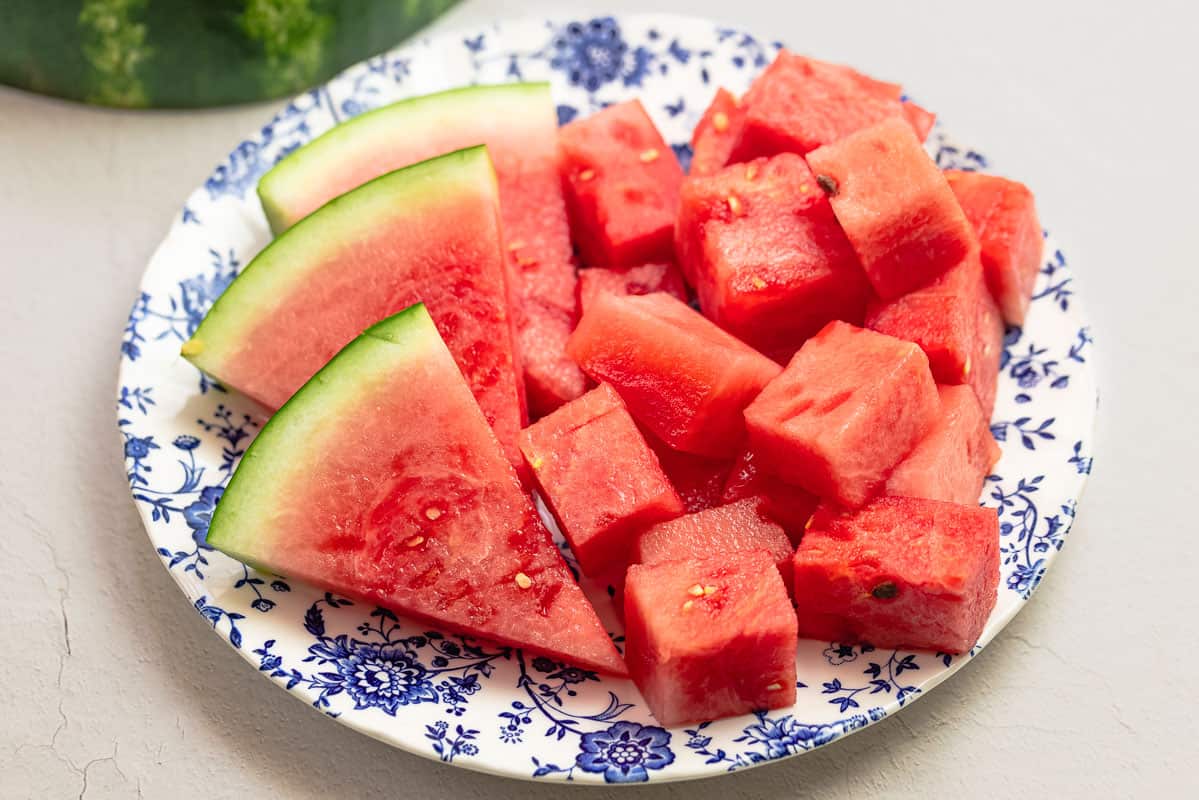
- Dice into Cubes: Finally, turn the strips 90 degrees and slice across them to create perfect, bite-sized cubes. For watermelon sticks, simply omit the last step and serve the strips as-is.
This step-by-step approach, often hailed as The Easiest Way to Cut Watermelon: Perfect Cubes & Sticks, ensures minimal waste and maximum enjoyment, transforming a challenging task into a quick and satisfying one.
Safety First: Essential Tips for Cutting Watermelon
Working with a large, round, and often slippery fruit like a watermelon requires attention to safety. Minimizing the risk of injury is just as important as achieving perfectly cut pieces. Here are crucial safety tips to keep in mind every time you prepare to slice watermelon:
- Always Use a Sharp Knife: This might seem counterintuitive, but a sharp knife is actually much safer than a dull one. A sharp blade requires less force to cut through the tough rind, reducing the chance of the knife slipping and causing injury. If your knife feels like it's dragging or requires excessive pressure, it's time to sharpen it.
- Choose the Right Knife: For initial cuts through the whole melon, a long, sturdy chef's knife is ideal. For very large watermelons, a heavy-duty serrated bread knife can provide excellent grip and cutting power through the thick rind. Once the rind is removed, a chef's knife or even a smaller utility knife can be used for dicing.
- Stable Cutting Surface: Ensure your cutting board is stable and doesn't slip. Place a damp paper towel or a non-slip mat underneath your cutting board to prevent it from sliding around on your countertop. A large cutting board also gives you ample space to work with the sizable melon.
- Flat, Stable Base: Before making any major cuts, create a flat, stable surface for the watermelon. The first cut should ideally be a small slice off one end of the melon, allowing it to rest securely without rolling. This significantly reduces the risk of the melon shifting unexpectedly while you're cutting.
- Keep Fingers Away: Always curl your fingertips inward, using your knuckles as a guide against the blade. This "claw" grip protects your fingers from accidental nicks. Maintain a firm, controlled grip on the watermelon at all times.
- Focus on the Task: Cutting a watermelon requires your full attention. Avoid distractions and take your time, especially during the initial cuts through the rind.
By following these safety precautions, you can confidently and efficiently enjoy the process of cutting your watermelon, ensuring delicious results without any unwanted incidents.
Beyond the Slice: Creative Ways to Enjoy Your Watermelon
Once you've expertly sliced your watermelon into perfect cubes or sticks, the possibilities for enjoyment are endless. While nothing beats eating chilled watermelon straight from the refrigerator on a hot day, this versatile fruit can be incorporated into a myriad of dishes and drinks. It's a fantastic source of hydration, packed with vitamins A and C, and contains lycopene, a powerful antioxidant.
Here are some creative ways to savor your watermelon bounty:
- Snacking Perfection: The most straightforward and often most satisfying way is to enjoy the cool, crisp pieces as a standalone snack. Store cut watermelon in an airtight container in the fridge for 3-5 days.
- Refreshing Beverages:
- Watermelon Smoothies: Freeze some of your watermelon cubes in a single layer on a baking sheet before transferring them to a zip-top bag. These frozen cubes are perfect for making creamy, thick smoothies. Blend with a splash of lime juice and a few mint leaves for an extra zing.
- Watermelon Margaritas/Cocktails: Muddle fresh watermelon with tequila, lime juice, and a touch of agave for a vibrant summer cocktail. Watermelon also works wonderfully in mocktails or infused water.
- Vibrant Salads:
- Fruit Salads: Combine watermelon with berries, melon, grapes, and a squeeze of lime for a classic, refreshing fruit salad.
- Sweet & Savory Salads: For a more sophisticated palate, try a Watermelon Feta Salad with Mint, Avocado, and Lime. The salty feta, creamy avocado, fresh mint, and tangy lime beautifully complement the sweetness of the watermelon. It's an explosion of flavors and textures!
- Grilling Watermelon: A unique twist! Grilling watermelon caramelizes its natural sugars, giving it a smoky, sweeter flavor. Serve grilled slices plain or with a drizzle of balsamic glaze and feta cheese.
- Watermelon Salsa: Dice watermelon very finely and mix with red onion, jalapeño, cilantro, and lime juice for a sweet and spicy salsa, perfect with grilled fish or chicken, or even tortilla chips.
Storage Tips for Freshness
- Whole Watermelon: Store whole, uncut watermelons in a cool, dry place away from direct sunlight for up to two weeks. Avoid refrigerating whole melons as it can dull their flavor and texture.
- Cut Watermelon: Once cut, watermelon should always be stored in an airtight container in the refrigerator to maintain its freshness and prevent it from absorbing other odors. It will stay fresh for 3 to 5 days.
- Freezing Watermelon: For longer storage, spread watermelon cubes in a single layer on a baking sheet and freeze until solid. Then transfer the frozen cubes to a freezer-safe bag or container. Frozen watermelon is best used for smoothies or sorbets, as its texture changes when thawed.
For more innovative presentation styles, including how to create playful shapes or manage even the largest melons, explore a detailed guide on Cut Watermelon 10 Ways: Slice, Dice, Plus Picking & Safety Tips.
Cutting a watermelon no longer needs to be a summer struggle. With the right selection techniques and a few simple, safe cutting steps, you can confidently turn this glorious fruit into a versatile ingredient or a delightful snack. Embrace the joy of fresh, perfectly sliced watermelon all summer long, knowing you’ve mastered a true summer life skill!
